Operation Nimrod: Was it pressure or preparation that won the day?
CRJ’s Advisory Panel member Robert McAlister and Dr Hendrie Weisinger examine Operation Nimrod through the lens of pressure management.
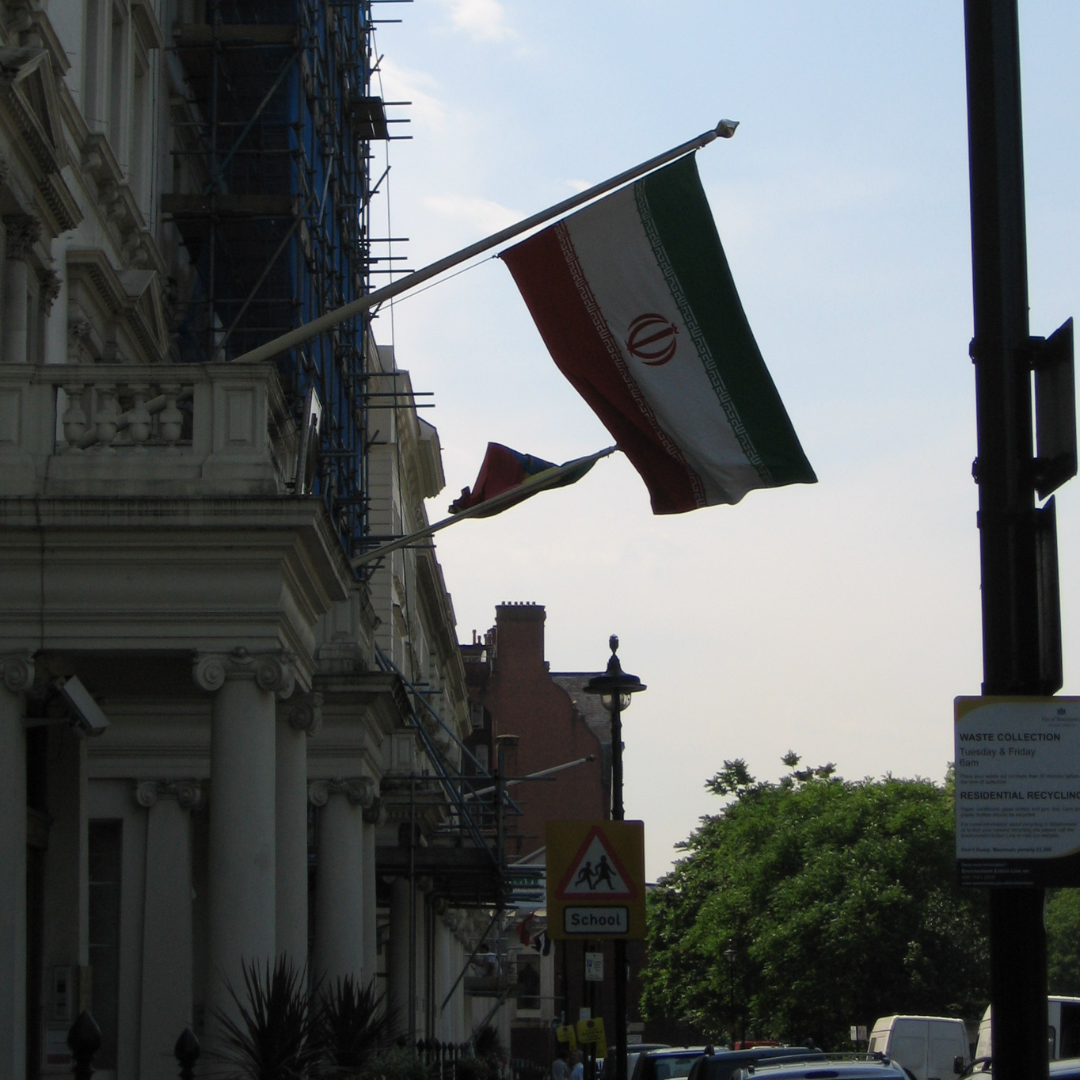
Image: Shaunnol | CC BY-SA 3.0 | Wikimedia Commons
Forty-six years ago this week, the Special Air Service (SAS) infiltrated the Iranian Embassy in Kensington, London, UK, to free 26 hostages, who had been abducted several days before on April 30, 1980. The SAS arrived and established a base next to the embassy, remaining on high alert for any sign that a hostage had been harmed – this would serve as the trigger for action, as authorised by then Prime Minister Margaret Thatcher. The operatives were instructed to intervene if negotiations between the terrorists and police failed. On the sixth day, a hostage was killed and his body thrown from the Iranian Embassy, prompting the SAS to mobilise.
Operation Nimrod, the decisive 17-minute assault on May 5, 1980, remains one of the most iconic demonstrations of elite performance under extreme pressure. The operation unfolded live on global television and became a defining moment in modern counterterrorism. As we approach the anniversary of the operation, new insights from both operational records and pressure science research deepen our understanding of what allowed individuals and teams to perform effectively when the stakes were absolute.
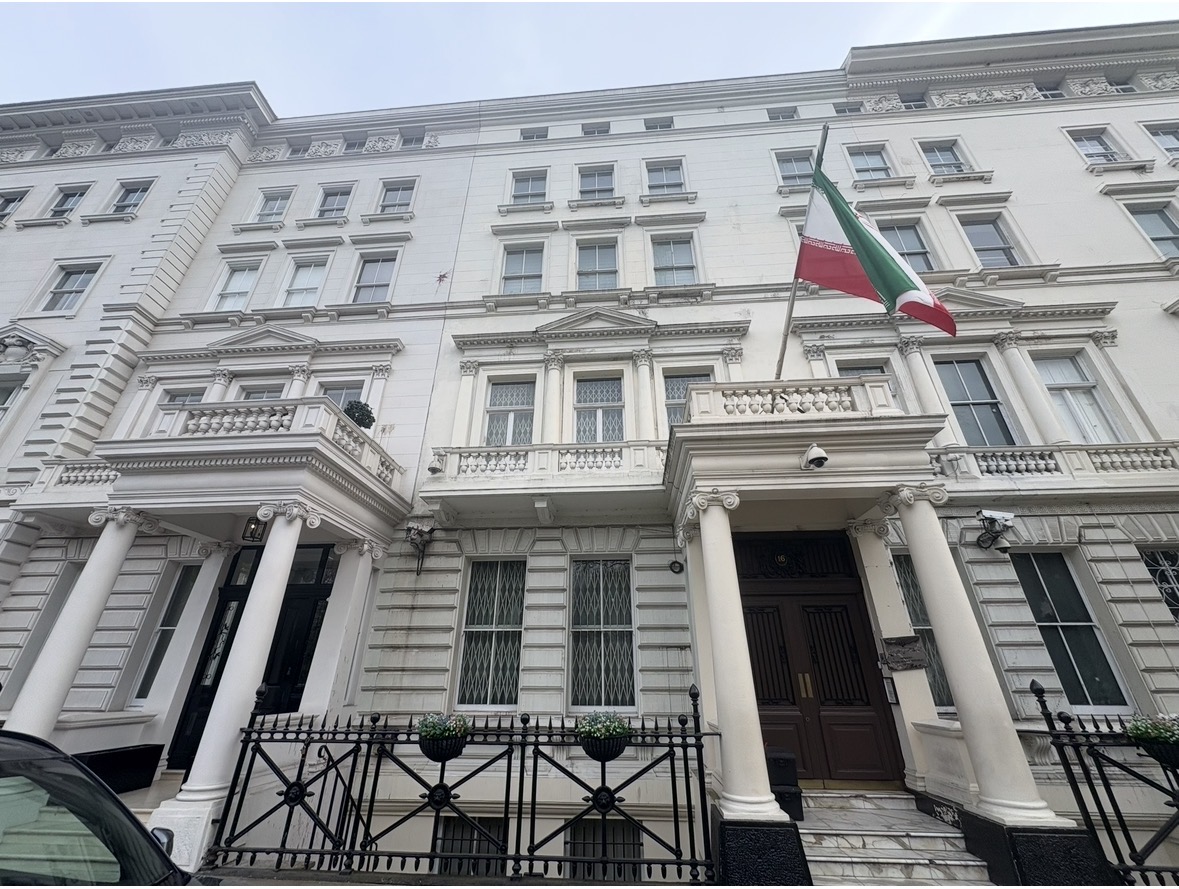
Image: The Iranian Embassy in Kensington, London, UK | Robert McAlister
Drawing on accounts from individuals involved in the siege, combined with Weisinger’s, one of the authors, research into pressure management, this article demonstrates a central truth: first, people do not perform better because of pressure; rather, they perform better because they know how to manage it, and second, pressure deteriorates performance unless buffered by preparation, clarity, and controllable actions.
Applying the first principle to Operation Nimrod, the SAS had trained for years for such an event, honing close-quarter skills at Hereford’s ‘Killing House’. During the siege, they constructed a scaled-down layout of the embassy at Regents Park Barracks and rehearsed daily, refining angles, sequences, communication cues, and contingency paths.
According to Weisinger’s findings, repetition lowers anxiety, stabilises execution, and protects decision quality under stress. The scaled-down layout allowed the operators to build deep contextual knowledge to reduce overload. Even when things went wrong, such as a trooper breaking a window with his boot or another becoming tangled and burnt on his rope, rehearsal enabled rapid recovery under pressure.
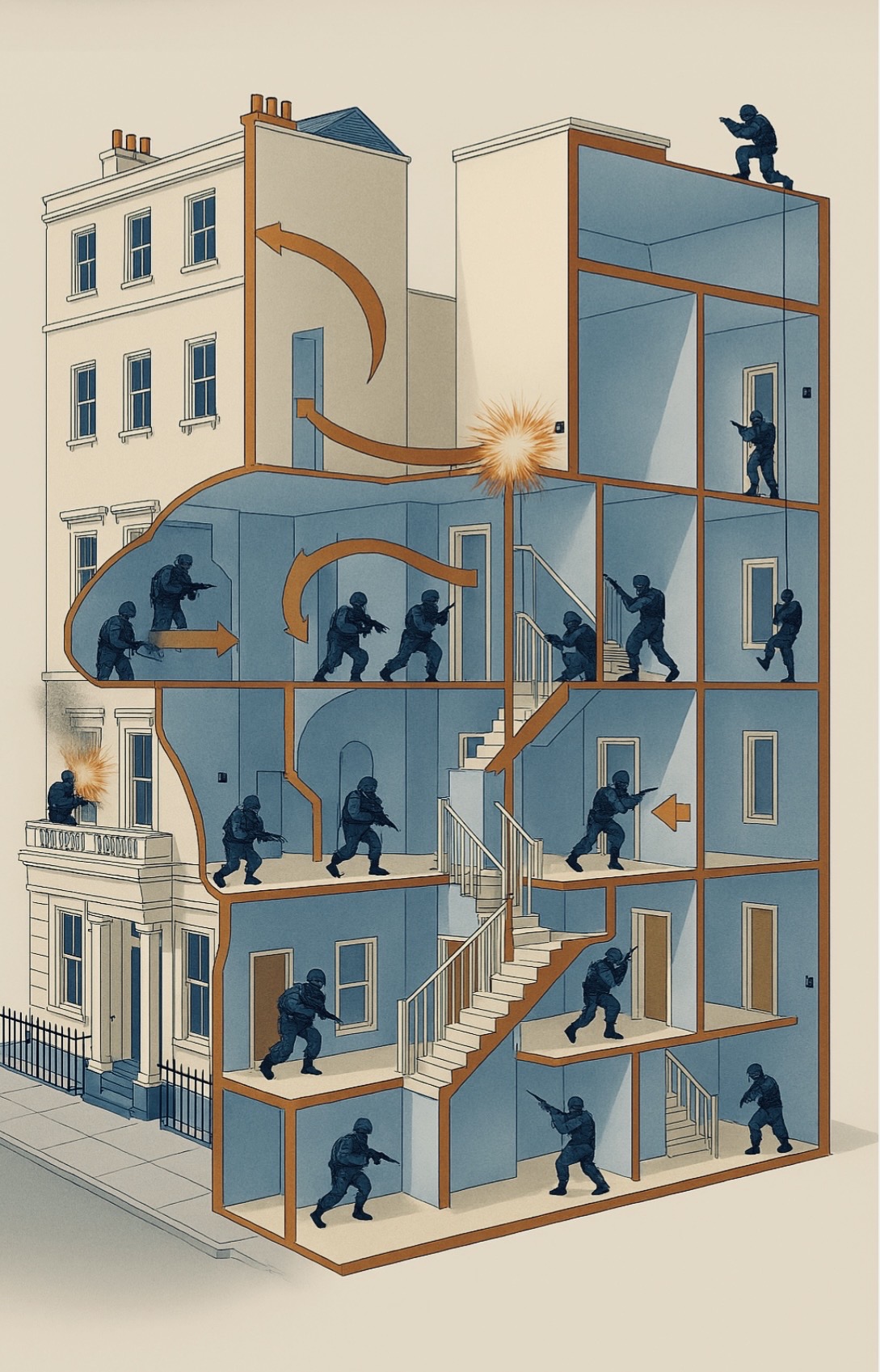
Image: The building schematic of the Iranian Embassy during Operation Nimrod | Robert McAlister
Trial by fire
Moving on to the second principle, the siege showed that breathing control and micro-routines, such as anchoring on corners, fields of fire, and drills to maintain cognitive clarity, steadied the operators before breaching, while precise sequencing, including explosive entry timing, flashbang deployment, and stairwell clearing, provided cognitive anchors in moments of sensory overload. Clear role assignments to each operator ensured that they knew exactly what to do and removed any mental burden of improvisation as well. As for the hostages, they used adaptive coping behaviours to maintain situational awareness and conserve energy.
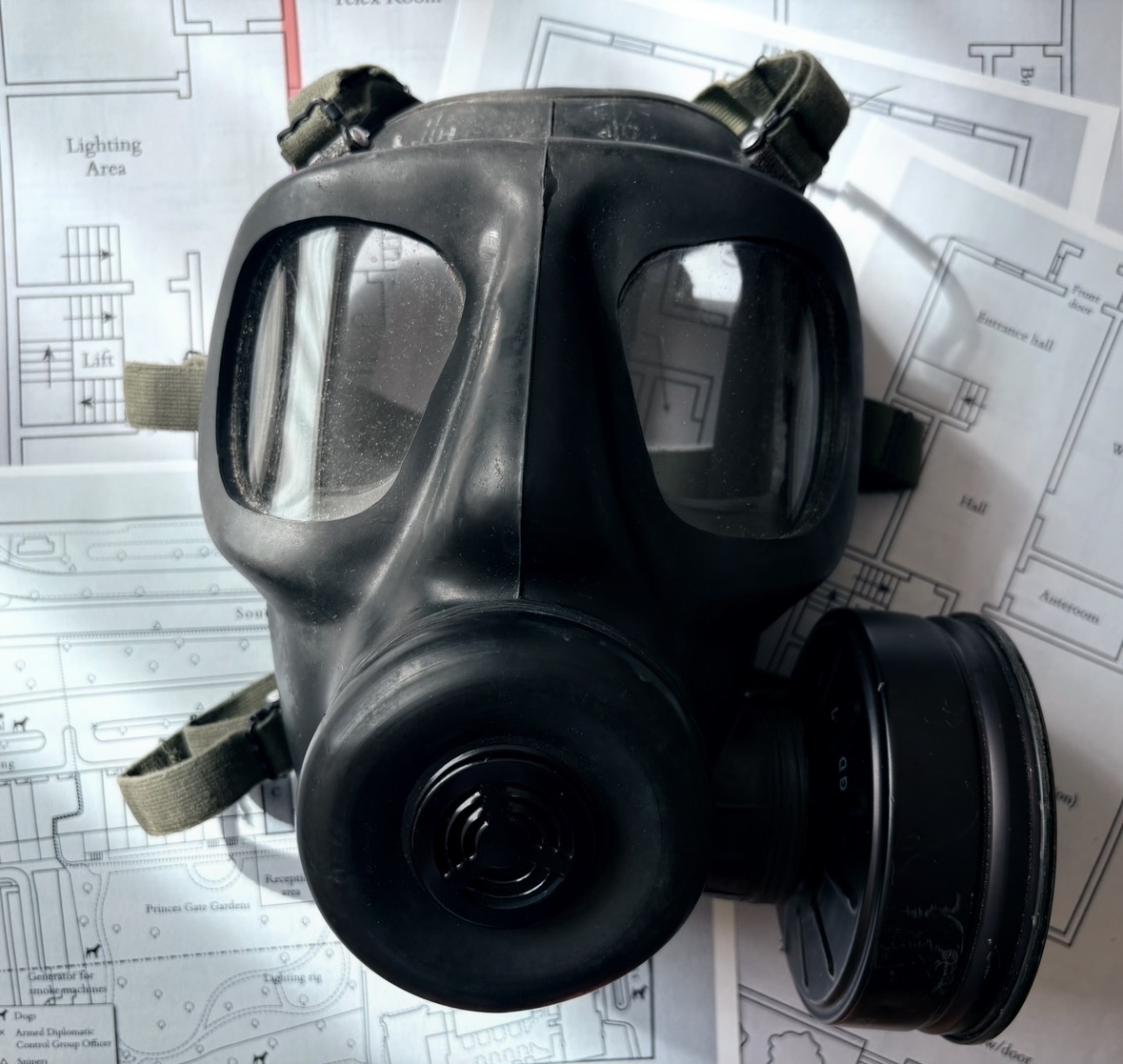
Image: The S6 type respirator used in the raid by SAS teams | Robert McAlister
Clarity played a major role in removing the paralysis of pressure and acts as, according to Weisinger, one of the thresholds of reducing hesitation or second-guessing. In Operation Nimrod, the Prime Minister set a single, ambiguous trigger: if a hostage were killed, the SAS assault would begin immediately. When Press Attaché Abbas Lavasani’s body was thrown onto the embassy steps, the trigger was struck, and while emotional pressure spiked across the command structure, the clarity of instruction eliminated any form of hesitation.
And lastly, Operation Nimrod presented one of the greatest examples of resilience at every level – through the act of functional adaptability across three different groups. For starters, as aforementioned, the operators adapted instantly when plans went wrong (equipment failures, altered layouts, and fire and smoke conditions), maintaining the doctrine of ‘speed, aggression, and surprise’.
Hostages, on the other hand, demonstrated psychological endurance, situational awareness, and bonding behaviours, including Stockholm and Lima syndromes, which affected their interactions with the hostage takers. Finally, leaders and negotiators sustained disciplined decision-making despite political scrutiny and media exposure, and upheld pre-defined triggers for clarity.
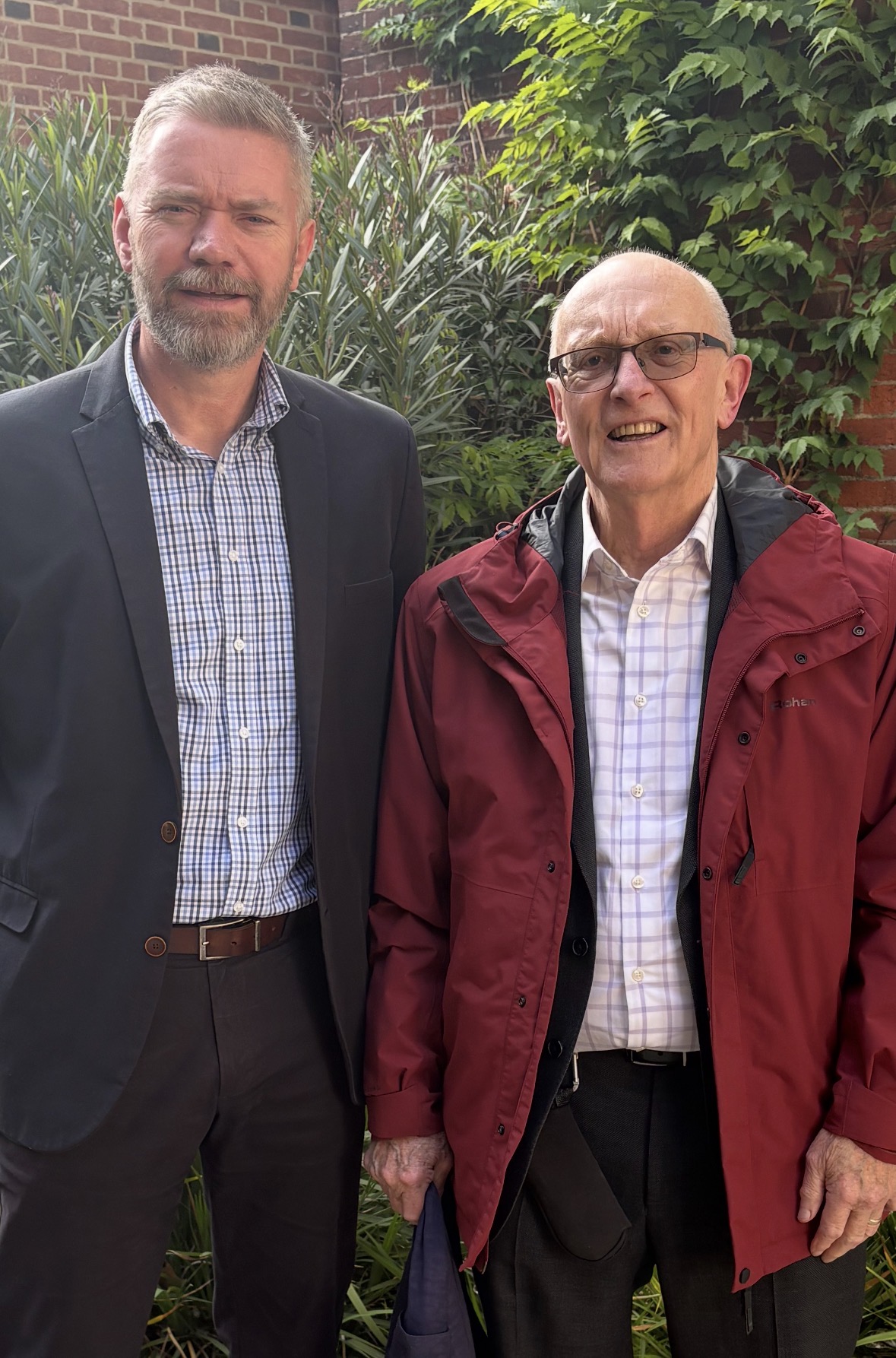
Image: Robert McAlister with Sim Harris (then, a BBC Sound Recordist) and hostage during the six-day siege rescued by SAS on May 5, 1980, on live television | Robert McAlister
As we look back on Operation Nimrod with the benefit of decades of distance, two lenses converge: one forged in the lived experience of crisis response, and the other grounded in the science of human behaviour under pressure. The Operation, still, remains a testament to what humans can achieve when preparation, teamwork, and clarity of intent become instinct.
What stood out then – and still does – is not the speed of the entry, nor the violence of the fight, but the composure demonstrated when things went wrong. Windows broke, ropes tangled, and plans shifted. Yet the team continued forward with a steadiness that came not from adrenaline, but from years of repetition, rehearsal, and mutual trust.
More importantly, the siege also reminds us that pressure affects everyone in its orbit. Operators bore the weight of tactical execution, hostages carried psychological strain, and leaders shouldered political consequences. Yet across all these layers, similar principles emerged: the stabilising power of clear rules, the grounding effect of routine, and the quiet strength that comes from refusing to be overwhelmed by circumstance.
And, the Operation stands as powerful evidence that in the face of extreme pressure, what truly carries us through is not the moment itself, but everything we have done long before it arrives.
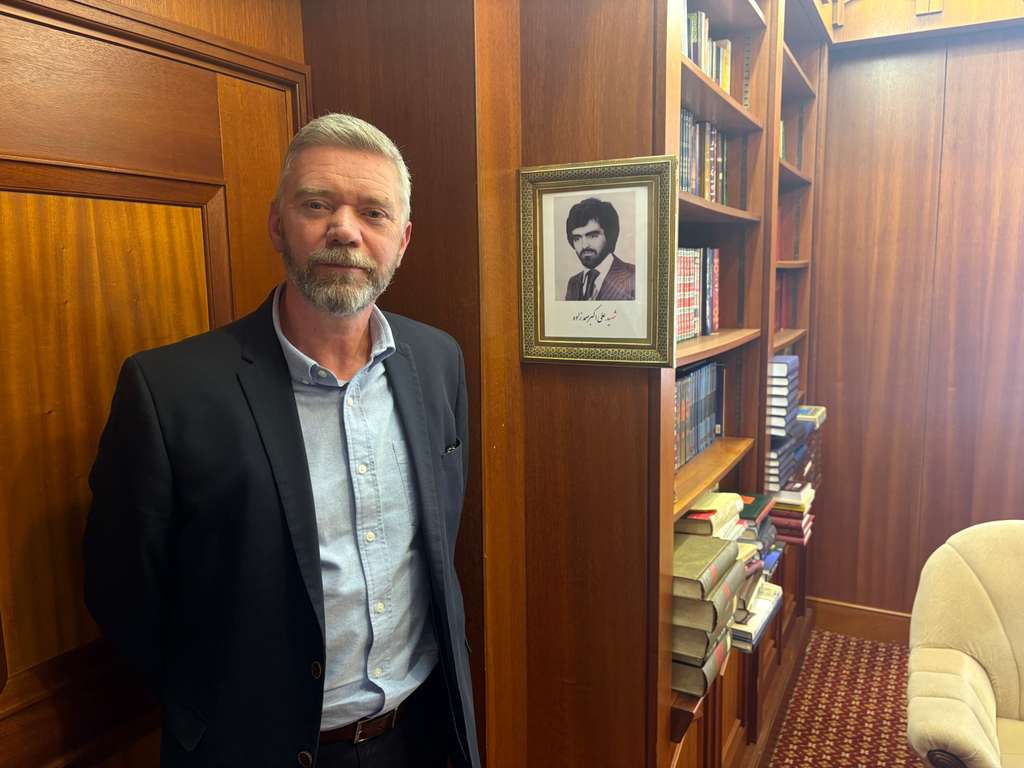
Image: Robert McAlister inside the Iranian Embassy Library named after Iranian hostage Mr Ali Akbar Samadzadeh murdered by armed gunmen during Operation Nimrod | Robert McAlister
Robert McAlister is the director of Glenbarr Consultancy and a member of CRJ’s Advisory Panel, with experience in emergency planning, counterterrorism, and crisis management.
Dr Hendrie Weisinger is trained in clinical, counselling, and organisational psychology and is a pioneer in the emerging science of pressure management.