The crowd has eyes
The public often sees the first signs of a problem long before those responsible for crowd safety do. Gracie Broom explores how a simple, trusted reporting channel can close that information gap.
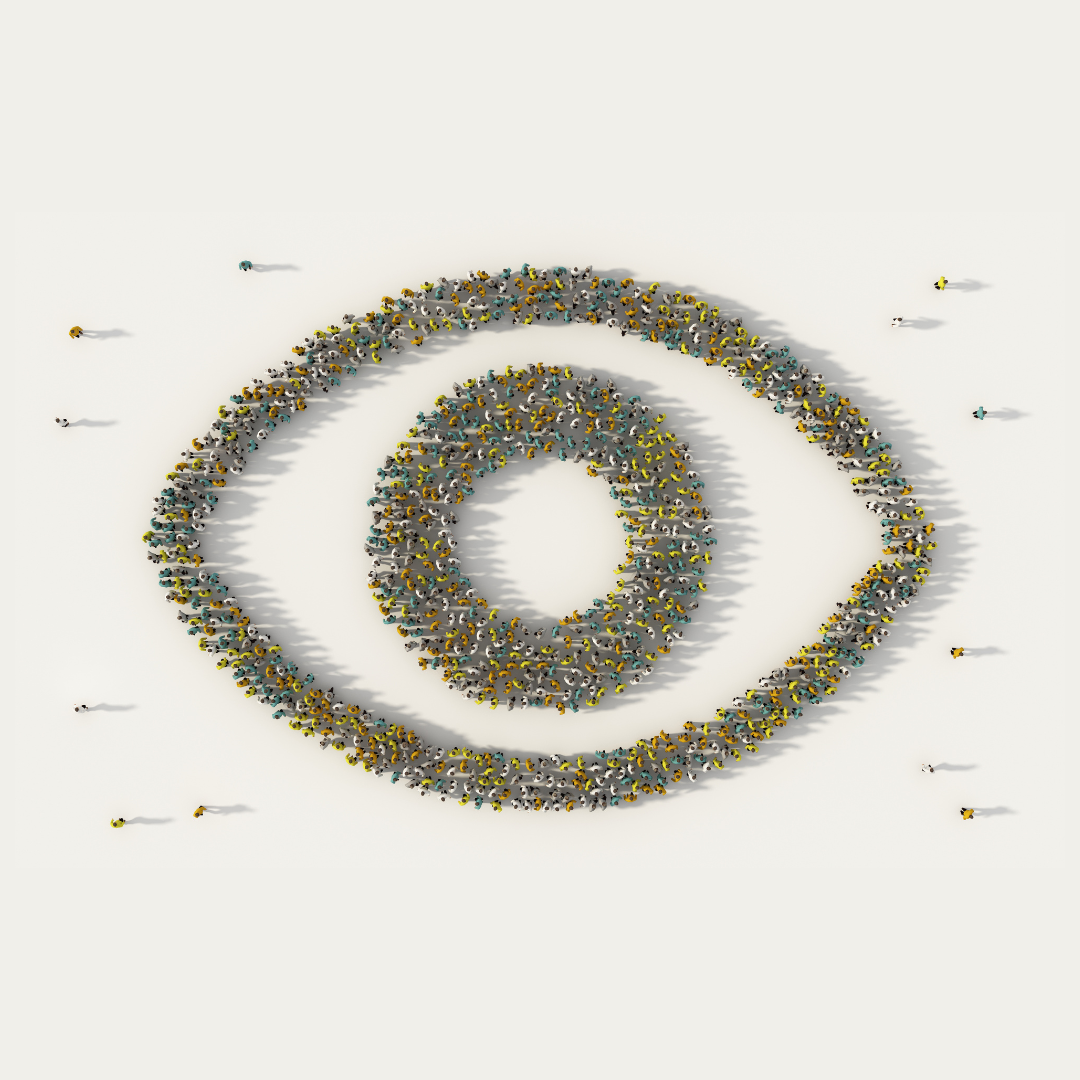
Image by tampatra | Magnific
As the post-pandemic world steps out of its home and into public events, such as music festivals, sports arenas, and corporate conferences, the scale of the challenge facing those responsible for keeping people safe becomes increasingly apparent.
The UK currently hosts over 500 active music festivals, while an estimated 70,000 charities run at least one outdoor event annually – a rather small indicator in the nation’s £61.6 billion events industry – where large numbers of individuals need to be managed safely, sometimes with limited visibility and unpredictable conditions. The consequences, though, of getting that wrong can be severe. In 2021 alone, the Home Office recorded over 2,000 incidents of crowd crushes, disturbances, or stampedes at public events.
Time and time again, however, reviews of major crowd incidents continue to reveal the same pattern that has yet to be utilised for public safety: the public that noticed something was wrong long before the information reached anyone who could act on it. What was missing was a simple, trusted way for it to get from the people who saw it to the people who needed to know.
To call it a technology problem is an understatement; it is a design problem, and at its heart, a problem of trust. People will only report what they see if they believe two things: that it is easy to do so, and that something will happen as a result. Most venues often build their safety operations around what their own staff can see, whether that’s stewards on the ground equipped with radios, cameras overhead or control rooms accessed only by a selected few. But no matter how many staff are on site, they can’t see everything. Much of what’s happening is only seen by the people in the crowd.
Having spent the last few years thinking about this gap, first through academic research across London, UK; New York, US; and Tokyo, Japan, and more recently by putting our platform into live environments, I have learned that trust is not a soft, secondary concern. It is the infrastructure that determines whether a safety system works at all. A channel can exist without being utilised: people can download an app or search for a website, but there’s a good chance they will simply decide not to report, and the same can be said if they cannot see or understand the mechanism behind reporting an incident.

Image: Gracie Broom at Cannes Lions in France for Reporti’s deployment | Gracie Broom
This is where Reporti steps in, an incident reporting platform that lets individuals at an event provide the right information to the right people (the staff). To make the mechanism as simple to understand and navigate as possible, the platform does not require people to download an app or create an account; instead, they scan a QR code or follow the link to report an incident, where it can be triaged and responded to in seconds, whether it be the staff asking questions to locate someone who needs support or requiring more information about suspicious behaviour.
Trust, for Reporti, begins with the first report. Someone notices an issue, sees the signage, and decides to try. That first report is really a test of two things people quietly worry about: whether it will truly stay anonymous and whether anyone is listening. When a response comes back in seconds, both questions are answered at once.
During our summer deployments this year, including the Cannes Lions in France and the London Craft Beer Festival in the UK, our fastest report reached the relevant team in 23 seconds. In contrast, a call to the police forces in the UK takes an average 16.1 seconds to simply reach a human being. Speed like that tells the person reporting that they have been heard, and this changes how they think about reporting next time.
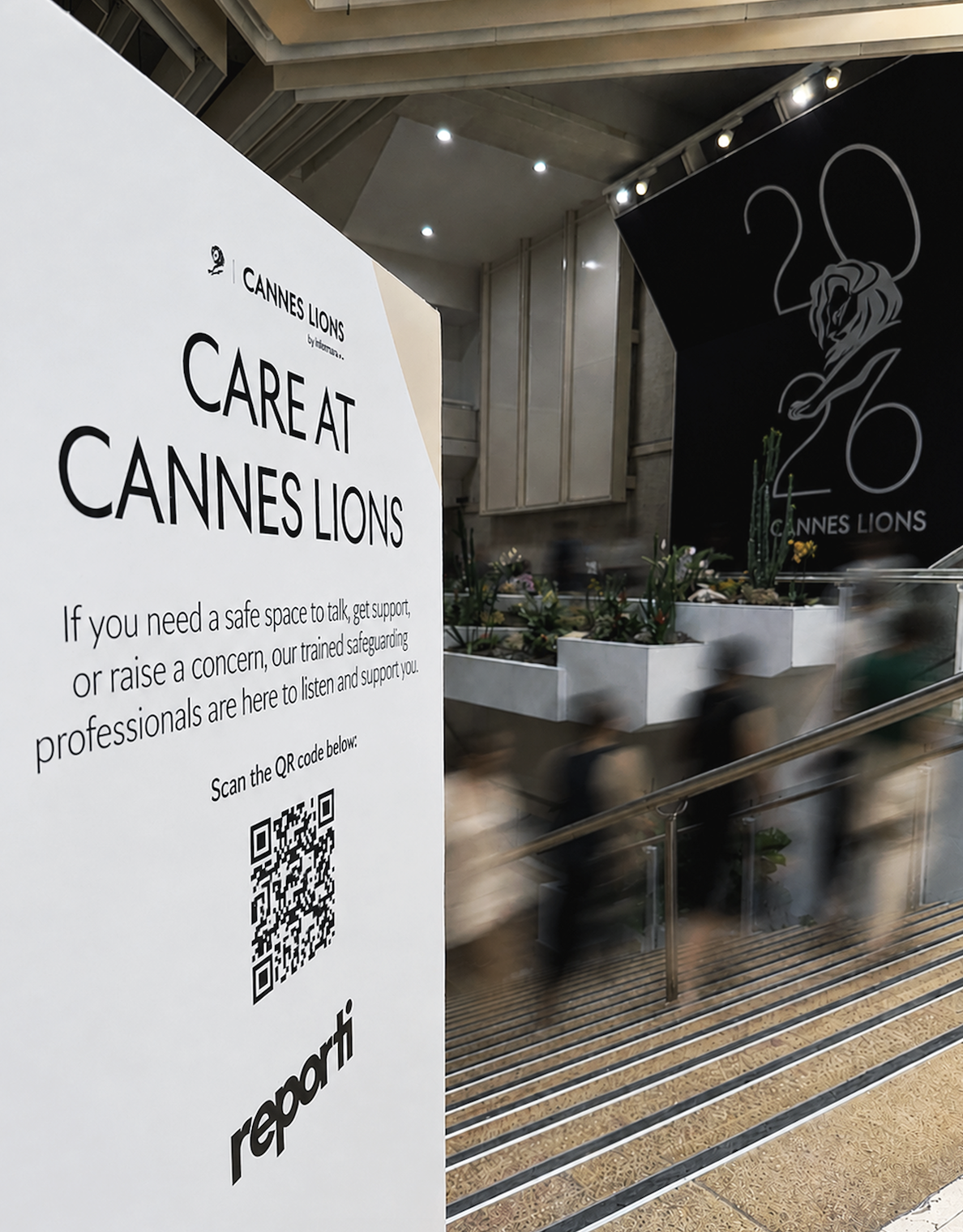
Image: The Reporti sign at Cannes Lions, including a QR code for people to scan and report incidents | Gracie Broom
From there, usage spreads. We consistently found reports came from the areas where our signage was most prominent, which demonstrates something obvious, but often overlooked: a safety channel people cannot see might as well not exist. Visibility drives adoption, and adoption builds the shared awareness that lets teams respond earlier, when a situation is still small. At one deployment, an attendee messaged me after spotting our QR code to say how much it meant to see it in real life, having researched exactly this kind of problem for her own university project years earlier.
And, trust doesn’t simply stop there. Something interesting happens when a venue makes its commitment to safety visible for everyone. At Cannes Lions, our signage was part of a wider safeguarding event, and it was the safety provision – not the parties or the brand activations – that some attendees chose to talk about publicly afterwards.

Image: The Reporti sign at Cannes Lions | Gracie Broom
It matters commercially, too. A venue known for looking after its people is more resilient and more competitive. Staff who trust that reports will be acted upon escalate concerns earlier, and licensing authorities and insurers increasingly want to see a genuine culture of care rather than a box ticked. Attendees, too, remember where they felt safe and choose to come back.
While the events I described are simply seasonal, the thinking is not. As we move towards winter light trails, Christmas markets, and New Year gatherings, crowds will continue to gather in spaces where no team can watch everything at once, and the people within them remain an underused source of early awareness. The assumption that information from the public is unreliable and not worth building around is worth revisiting. When reporting is difficult, hidden or slow, of course it goes unused. Lower those barriers, make it easy and discreet, and prove that speaking up leads to action, and the public becomes one of the most valuable early-warning layers a venue or public space has.
Gracie Broom is the Founder of Reporti, a real-time incident reporting platform that empowers crowds to report safety concerns instantly.