The messenger problem
Santosh Vijaykumar and Michael Craig take a look at how uncertainty about a hazard and incomplete information create fertile ground for alternative theories to emerge for The Conversation.
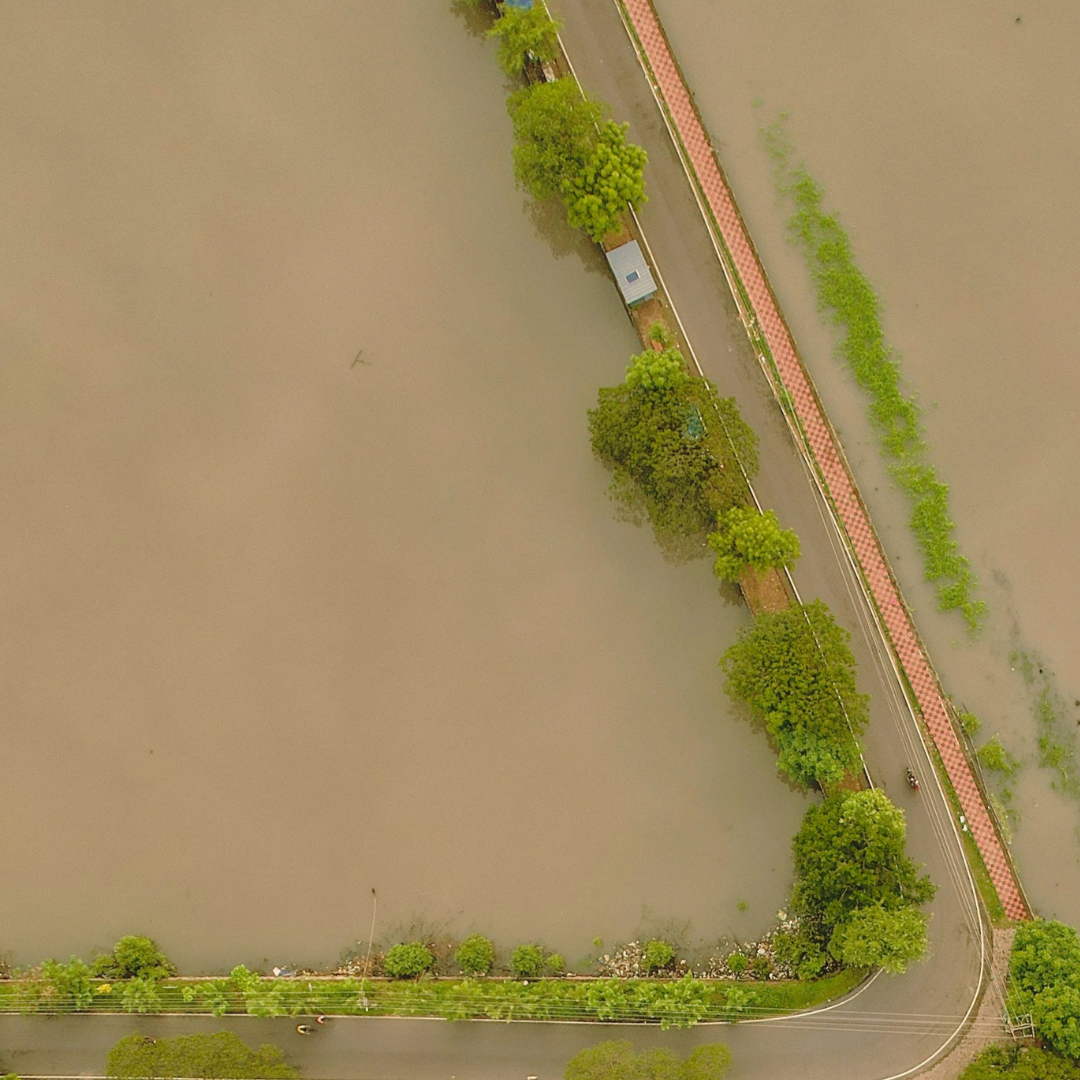
Image by Raj Manohar | Pexels
Santosh Vijaykumar is the Vice Chancellor’s Senior Research Fellow in Digital Health, Northumbria University, UK, and Michael Craig is the Assistant Professor of Psychology, Northumbria University.
One evening in August 2025, a Pakistani shepherd, Abuzar Hussain, was tending sheep and goats on the mountainous slopes of Shijar. At about six pm, a thunderous roar shattered the silence of the valley.
Abuzar could see a glacial flood headed towards his village, and he had minutes to react. He desperately climbed up to a higher point in the mountain where the mobile signal allowed him to get in touch with the village so that the mosque could broadcast an alert over a loudspeaker. Hundreds of lives were saved by this phone call from a single man in a region where millions of dollars are invested in early warning systems.
This story captured something risk and crisis communication researchers had long known but was not always built into a nation’s emergency planning. It’s not only official messages that are part of a community response to an upcoming hazard. Research shows that the sources who deliver information during emergencies and their perceived credibility can affect the way people understand risks and act on them.
That gap, between what people are told and what they trust, is exactly what the authors set out to measure with other colleagues. As climate and health information researchers, they ran a series of surveys in Belgium, Germany, Poland, and Florida in the US, all places that were hit by major weather emergencies in 2024.
Storm Boris caused deadly flooding across central Europe, while Hurricane Helene caused devastation in the south-eastern United States. These events made natural test sites for a new survey tool designed to measure information voids, the gap between what people expect from flood information and what they actually experience. This could range from knowing where and when to evacuate to knowing who to believe.
To measure this, the authors asked people to rate how much information they ideally wanted versus how much they actually received; how accurate they expected it to be versus how accurate it felt; which sources of information they trusted versus which ones they heard from; and finally, which communication channels they preferred versus which they could access.
From their responses, the authors were able to calculate void scores: the difference between the perceived ideal emergency alert and what was received. These were judged in terms of the quantity and quality of information received, the source of that information, and the communication channel it was received from. The bigger the difference between the ideal and received ratings, the bigger the void.
The authors’ findings from nearly 900 people were revealing, but not in the way the authors expected. Across all four countries, people said they were getting enough information about the weather emergencies. The problem wasn’t the volume of information; it was who it came from and how it reached them.
Who was the messenger?
The authors measured the information void in four ways: how much information people got, how accurate it was, who it came from, and how it reached them. Their surveys detected gaps in the accuracy of information about the timing and location of floods. But the biggest problem was the source of that information and how it reached people.
Trust levels were high for emergency responders such as firefighters and the police. People showed relatively low levels of trust for social media influencers and religious leaders.
Relationships between information sources and audiences become especially fragile during hazards such as floods, where life-altering decisions need to be made quickly. This was demonstrated during the August 2026 hazard on the Nepal-Tibet border, when a flash flood washed away villages and roads, killing more than 1,000 people.
Strong winds and water surges can damage telecommunications and transportation infrastructure in ways that make it impossible for emergency responders to share important updates about the situation with the public through news or social media. In the meantime, rumours can often start spreading misinformation about issues such as emergency supplies, leading some communities to feel ignored. This often sows the seeds of social discontent.
Over the past decade and especially since the Covid-19 pandemic, research around tracking and tackling misinformation has increased. Some studies suggest that misinformation outbreaks are usually preceded by a vacuum of information from official channels. One possible explanation is that uncertainty about the hazard and incomplete information create fertile ground for alternative theories to emerge. When these theories gain traction, they can have dangerous consequences.
Measuring, detecting, and addressing information voids should help address the risk of misinformation outbreaks during emergencies and hazards, events that are especially vulnerable to these outbreaks.
Preliminary research, which is not yet peer-reviewed, suggests that information voids were linked to an increase in the prevalence of misinformation during the Covid-19 pandemic. Other researchers have categorised social media conversations during the pandemic to identify which topics people felt most confused about, or wanted more information on.
What needs to change?
Many hazard planners worry about people not receiving accurate information, focusing on its quantity and quality. And certainly, being informed accurately about the timing and location of natural hazards is of primary importance.
But the research shows it is also vital to focus on who delivers this information. Messengers commanding high levels of trust need to be actively engaged to ensure information reaches people frequently and widely.
Institutions can act on this by constantly monitoring information voids across all phases of a hazard, from preparedness to response and recovery. This will increase the chances that people adhere to emergency advice and that misinformation outbreaks are headed off before they start.
Investing millions of dollars in early warning systems is necessary but not sufficient. Accurate information needs to be sent in the right amount and at the right moment via trusted sources, or people are put at risk.
That is a lesson emergency communicators urgently need to absorb.
This piece was originally published by The Conversation and can be found here.