Accountable for everything, in control of a few
We recognise the trauma experienced by emergency responders, but what about the psychological cost carried by the people leading them? CRJ’s advisory panel member Erik de Soir explores the overlooked side of crisis leadership.
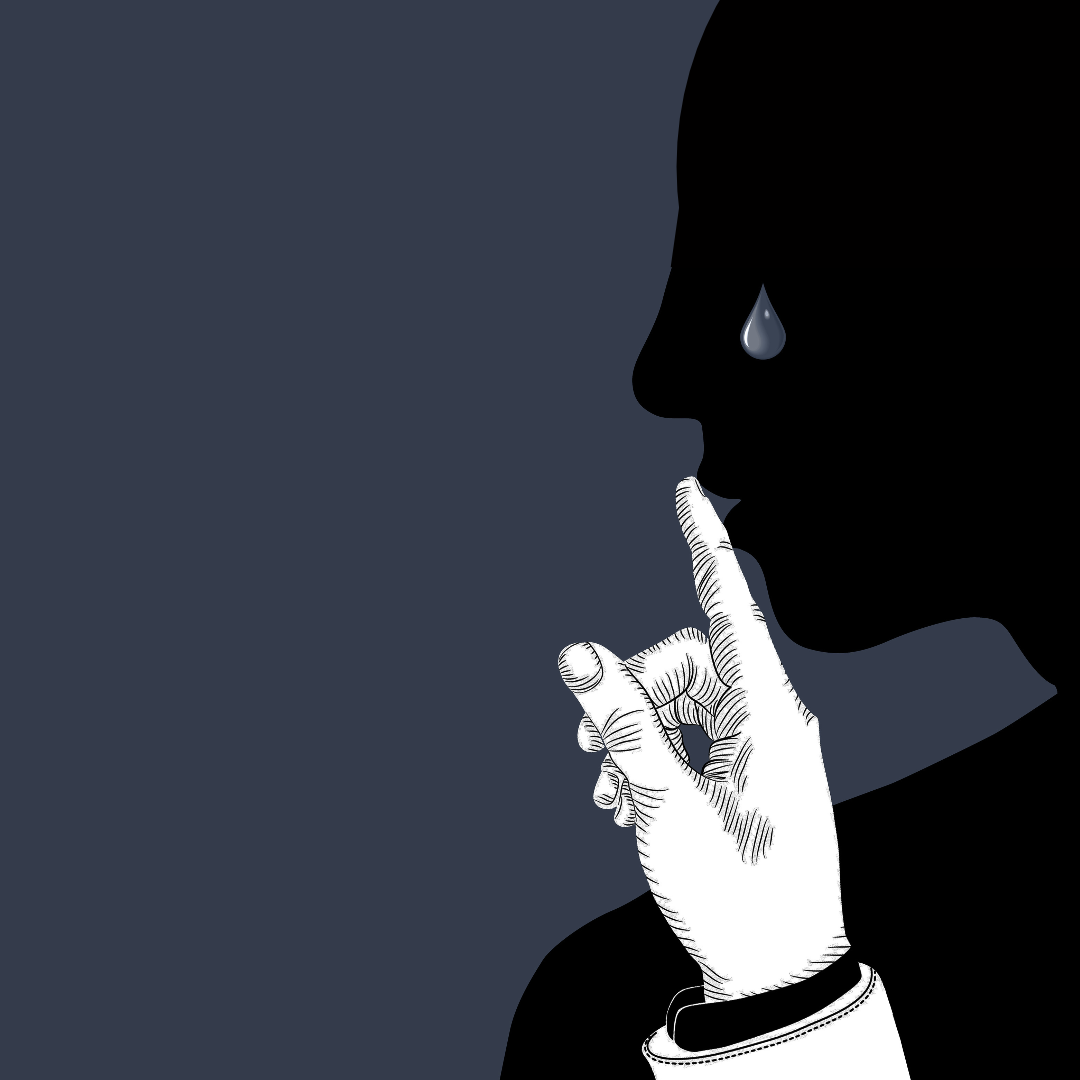
Image by Magnific
When an emergency is over, the firefighters return to their stations, the ambulances leave, and the public begins to move on. For the incident commander, however, the crisis may be far from over.
There may be reports to write, decisions to justify, investigations to face, questions from politicians, criticism from the media, and difficult conversations with colleagues or bereaved families. And sometimes there is something even more painful: the discovery that people and institutions once trusted are no longer standing beside you.
We have become increasingly aware of the psychological consequences of traumatic exposure among firefighters and emergency responders. Considerable progress has been made in recognising post-traumatic stress, depression, burnout, and the importance of peer support.
But what about the people at the top of the command structure? Who supports the person expected to support everyone else? Leadership in an emergency is rarely about choosing between a good and a bad option. More often, it involves choosing between competing priorities, all of which carry potentially serious consequences.
Which neighbourhood should receive limited rescue resources first? How long should crews remain inside an unstable building? How can public safety be maintained when available personnel are insufficient? These decisions may be operationally defensible and still leave lasting moral questions.
This is where the concept of moral injury becomes important. Moral injury describes the lasting distress that can follow experiences perceived to violate deeply held moral values. It may involve guilt about one’s own decisions, an inability to prevent harm, or the sense of having been betrayed by those in positions of responsibility.
Research among firefighters, paramedics, and other emergency professionals increasingly demonstrates the relevance of moral conflict and organisational betrayal. Yet senior leadership remains insufficiently studied.
Betrayal hurts more than the crisis
Imagine a fire chief who makes difficult decisions during a major incident, following established procedures and working within the resources available. Weeks later, political leaders publicly distance themselves from those decisions. Colleagues remain silent. Previous assurances of institutional support are forgotten.
The chief suddenly finds themselves alone, expected to defend decisions that were never entirely theirs to make. The example is hypothetical, but the psychological mechanisms are recognisable.
An emerging body of research highlights how moral injury can undermine trust in oneself, colleagues and institutions. For senior leaders, betrayal may strike at the very foundations of professional identity: loyalty, integrity, solidarity, and responsibility.
This is more than disappointment or ordinary workplace conflict. When the perceived betrayal concerns fundamental moral expectations, the consequences can be profound.
There is another paradox in crisis leadership. Chief officers can be held accountable for outcomes they had only limited power to influence.
They may be responsible for operational readiness while lacking authority over budgets. They may be expected to guarantee safety despite persistent staffing shortages. They may be judged afterwards using information that was unavailable when urgent decisions had to be made.
Recent conceptual research describes this situation as accountability exceeding agency: being held responsible without possessing sufficient control over the circumstances determining the outcome.
Accountability is, of course, indispensable. Public authorities and emergency services must be answerable for their actions. But accountability should also be proportionate, fair, and sensitive to the realities of decision-making under pressure.
When responsibility becomes detached from authority, and scrutiny becomes detached from context, accountability itself may become a source of sustained psychological strain.
The loneliness of command
There is a particular loneliness associated with senior responsibility. Leaders are expected to remain calm, confident and available. They must reassure their teams, protect organisational credibility and make difficult decisions without always being able to share their uncertainties.
Expressing vulnerability may feel professionally dangerous. Seeking help within one's own organisation may raise concerns about confidentiality, reputation or career consequences.
Even established peer-support structures may be less accessible to those at the highest levels of command. The result is a striking contradiction: the person responsible for creating psychological safety may have remarkably little psychological safety themselves.
We should stop assuming that protecting leaders' mental health is simply a matter of teaching them to become more resilient. Breathing techniques, stress management, psychological support and individual coping skills all have their place. But they cannot resolve institutional injustice, contradictory expectations or persistent organisational betrayal.
Protecting leaders requires something more fundamental: fair and transparent accountability procedures, clarity about responsibilities and authority, independent confidential support, and opportunities for honest reflection on morally difficult decisions. It also requires leadership culture in which asking for support is recognised as a professional responsibility rather than weakness.
The question is not whether fire chiefs and crisis leaders should be held accountable. They absolutely should.
The question is whether we are willing to acknowledge the psychological price of holding people accountable for circumstances they cannot fully control - and of abandoning them when the consequences become politically or publicly uncomfortable.
If healthy organisations need healthy leaders, we must learn to protect not only those who enter the fire but also those who carry responsibility long after the flames are extinguished.
Major (Ret) Dr Erik de Soir, PhD, is a Belgian clinical psychologist and psychotraumatologist specialising in crisis psychology, traumatic stress, and the psychosocial support of military personnel, firefighters, and emergency responders.