A rare cat, a wild win
Bryna Donnelly explores the importance of long-term conservation efforts and habitat protection through the rare Andean cat sighting in Argentina.
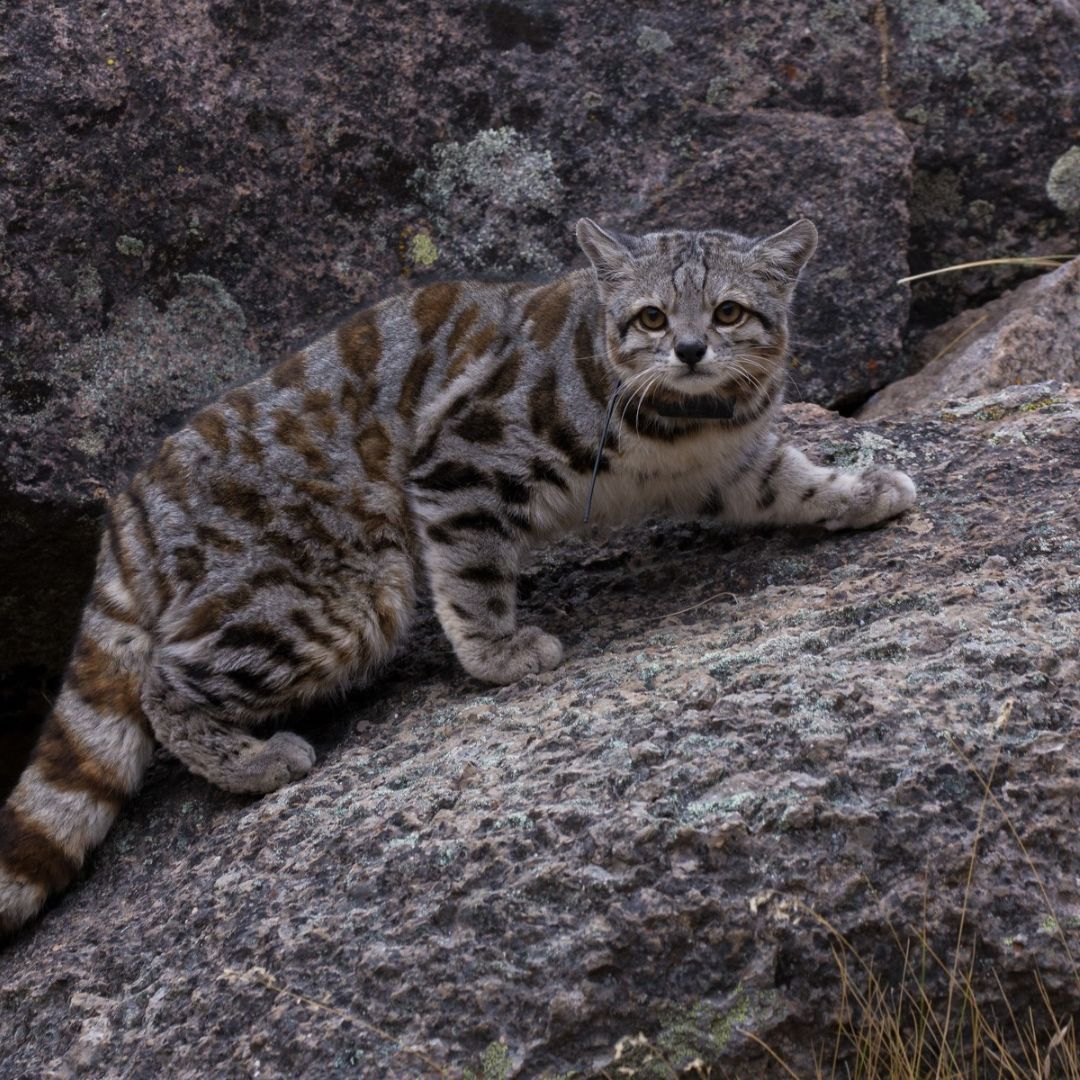
The Andean cat | Image by Greater Good Charities and Wildlife Conservation Society Argentina
A picturesque volcanic landscape with expansive and colourful lava plains, the La Payunia Reserve in Argentina is one of the largest protected areas in the Patagonia steppe region.
The Reserve is home to a plethora of native plant and animal species that have adapted to its harsh environment, including several endangered and vulnerable wildlife populations such as the Andean condor, the Andean cat, and the world’s largest migratory population of guanacos.
Despite the challenging conditions, these animals rely on the landscape for their survival. However, decades of farming and agricultural livestock grazing have eroded the habitat, reducing its ability to support the wildlife that call the Reserve home. As a result, many native animal species have been placed under mounting pressure, with some having experienced significant population declines.
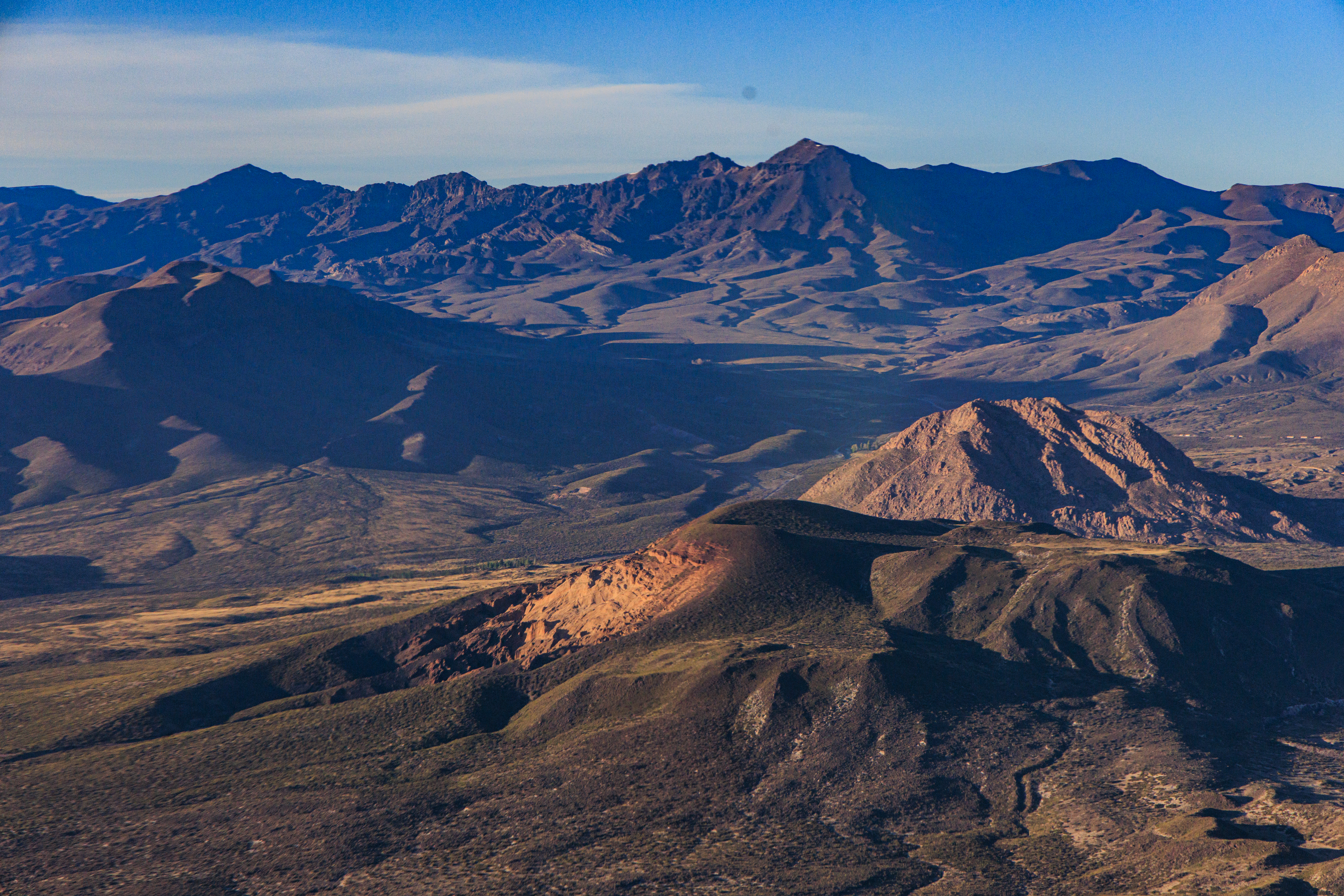
The La Payunia Reserve in Argentina | Image by Greater Good Charities and Wildlife Conservation Society Argentina
According to the International Union for Conservation of Nature Red List, the Andean cat is listed as endangered, with only 2,100 mature Andean cats remaining across South America. This is why our team in Argentina was so excited when rare footage of the Andean cat was recorded earlier this year, just east of the restored reserve.
Protecting a habitat’s biodiversity – from wildlife and plants to the bacteria and fungi within it – supports the health of local communities and the wider environment. The Andean cat footage is an encouraging sign for La Payunia and a reminder of the long-term work needed to restore and protect the landscape.
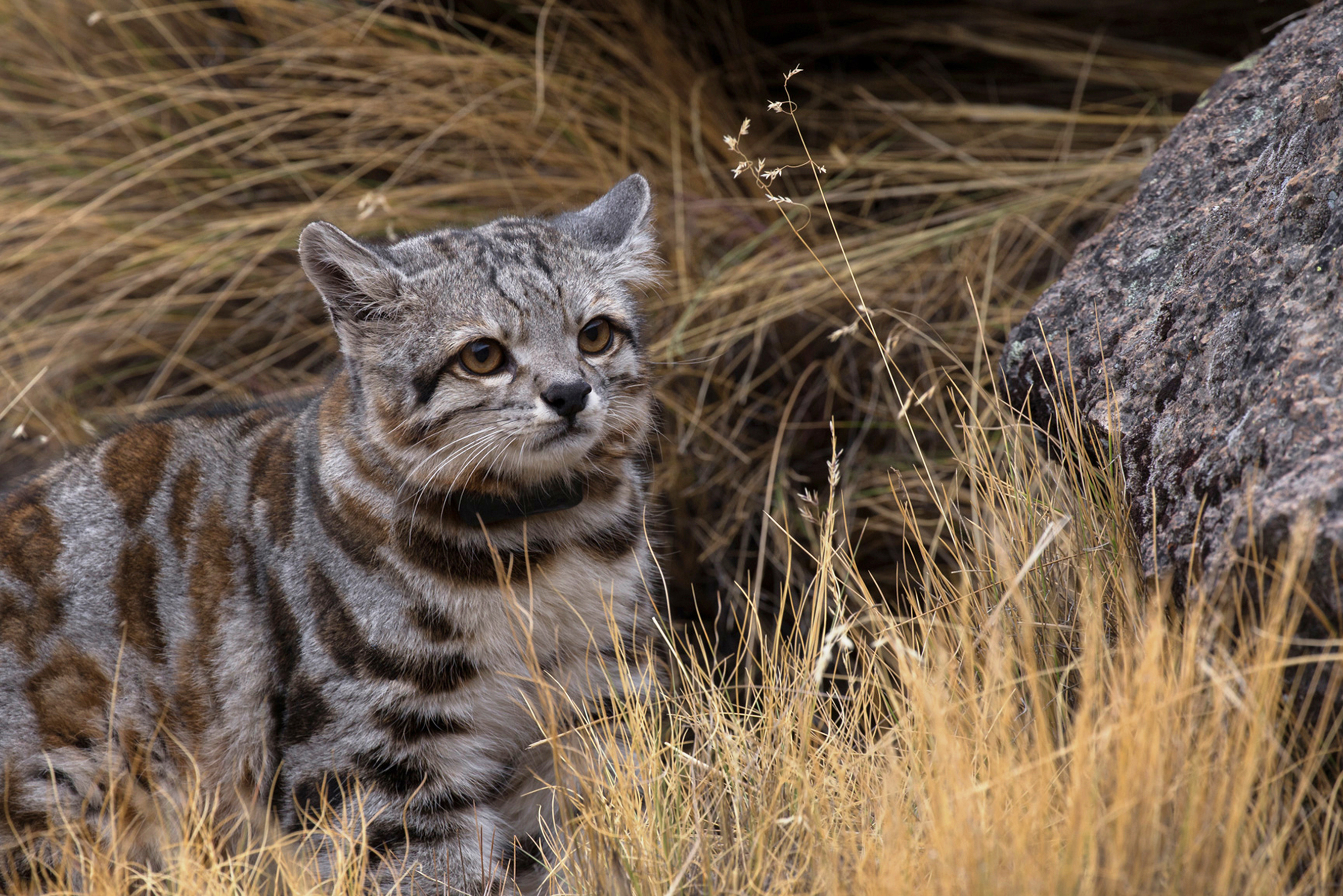
The Andean cat | Image by Greater Good Charities and Wildlife Conservation Society Argentina
The tip of the iceberg
The sighting of the coveted animal follows decades of conservation work across the region – an area proposed as a world heritage site by the United Nations Educational, Scientific and Cultural Organisation.
Our team at the Greater Good Charities began supporting conservation efforts in La Payunia in 2014, later awarding a grant to Wildlife Conservation Society (WCS) to help protect more than 80,000 acres within La Payunia’s Protected Natural Area. The grant supported the purchase and donation of land to the Province of Mendoza and enabled WCS to strengthen protection of the landscape by restoring wildlife corridors and reducing the impact of livestock on native ecosystems.
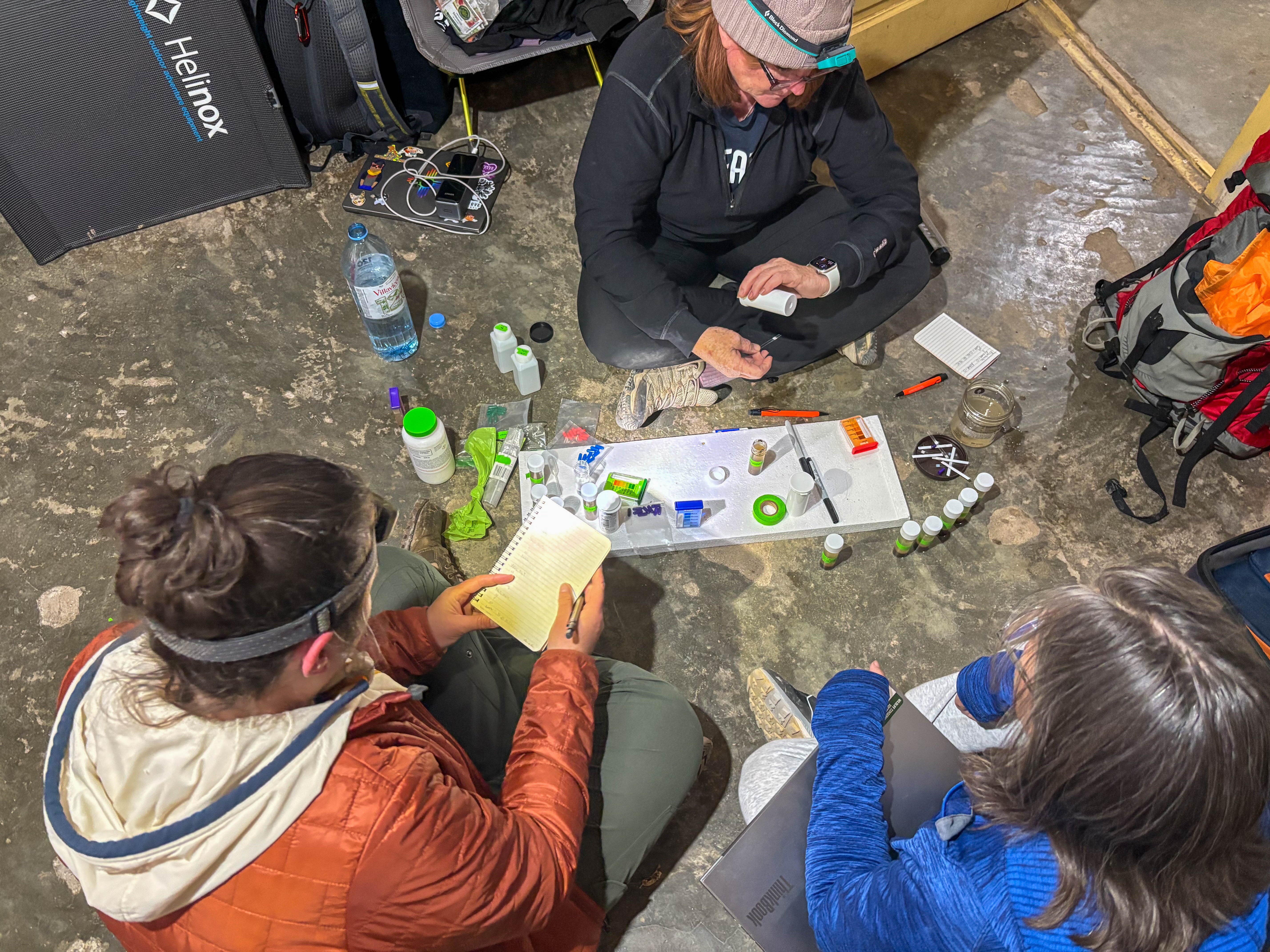
Image by Greater Good Charities and Wildlife Conservation Society Argentina
This project involved close collaboration with local communities and government agencies to safeguard the region’s unique ecosystem while supporting local livelihoods. The work involved the support of three key land acquisitions, leading to nearly 180,000 acres in total.
More recently, over 98,000 acres were purchased and donated – land that now secures a safe winter range for the region’s guanacos, an herbivorous species that is vital to the ecological balance and biodiversity of the area. The security of this space allows the guanacos to travel up to 150 kilometres between the summer and winter months, supporting not only the survival of the species but also that of the region’s other unique and vulnerable wildlife. This includes the Andean cat, the Andean condor, the puma, the mountain viscacha, and other birds and mammals essential to the region’s food web.
The work has also supported collaboration with neighbouring landowners, helping to promote sustainable livestock management to reduce grazing pressure and human disturbance. This has allowed surrounding habitats to recover, creating conditions to welcome prey species back to the landscape. For example, monitoring at Lonco Vaca has recently shown a significant presence of maras, demonstrating that habitat restoration benefits entire ecosystems.
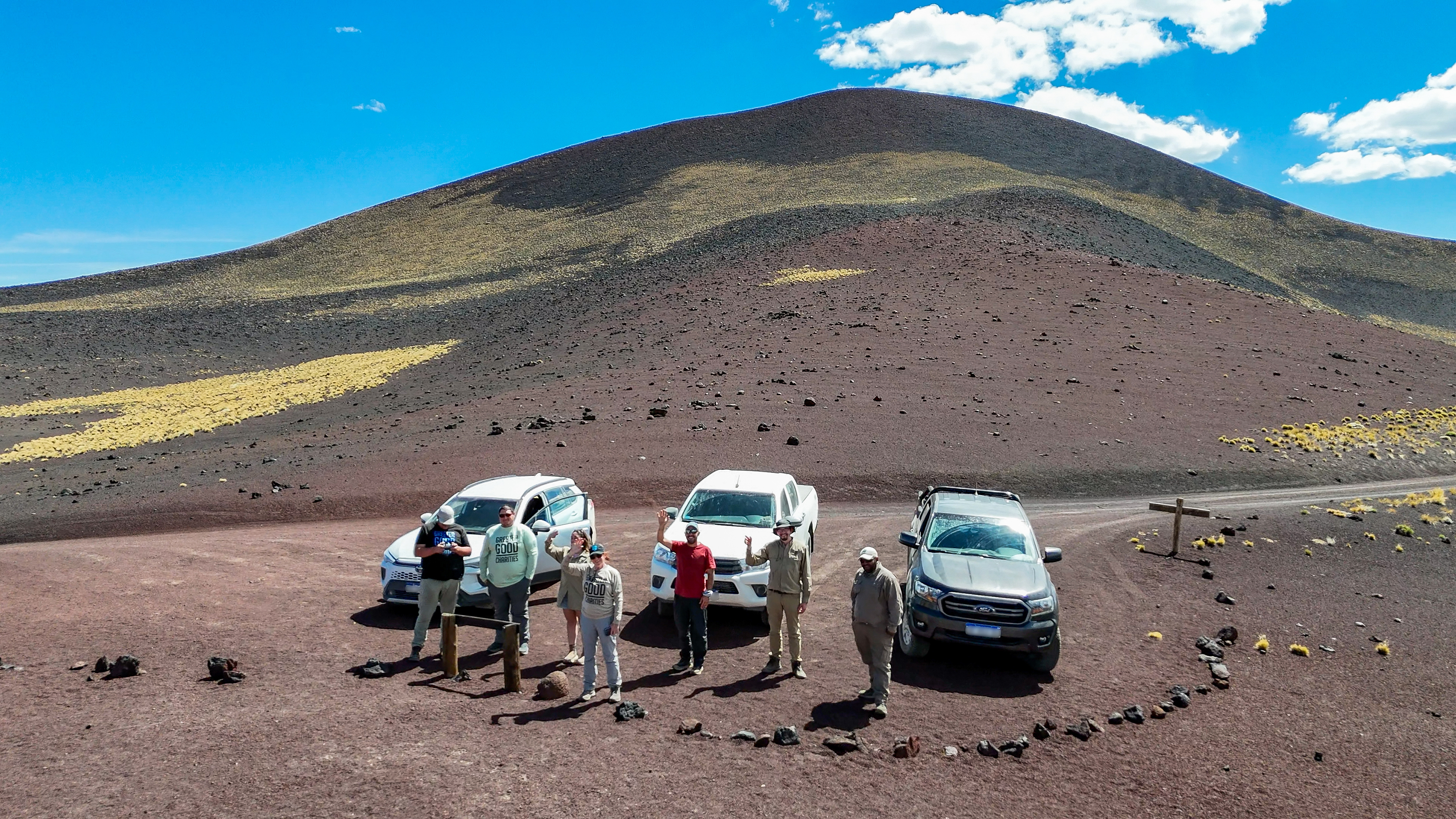
Image by Greater Good Charities and Wildlife Conservation Society Argentina
Beyond land preservation, our team has been working to rid the area of leftover ranch infrastructure. Removing more than one kilometre of hazardous wire and fencing and recovering around eight kilometres of wire – infrastructure that often traps and injures guanacos – the teams’ work has helped improve guanaco movement across the Reserve. The future goal is to transform the discarded fencing materials into properly maintained perimeter barriers, preventing domestic livestock from entering sensitive habitats and degrading the native vegetation that wildlife depends on.
Conservation takes time, but the Andean cat sighting offers an encouraging sign of what sustained habitat protection can support. It is a powerful reminder that when protected habitat is allowed to heal, wildlife responds. La Payunia demonstrates to the world what partnerships and long-term conservation investment can accomplish.
Bryna Donnelly is the Executive Vice President of Programmes at Greater Good Charities, US.